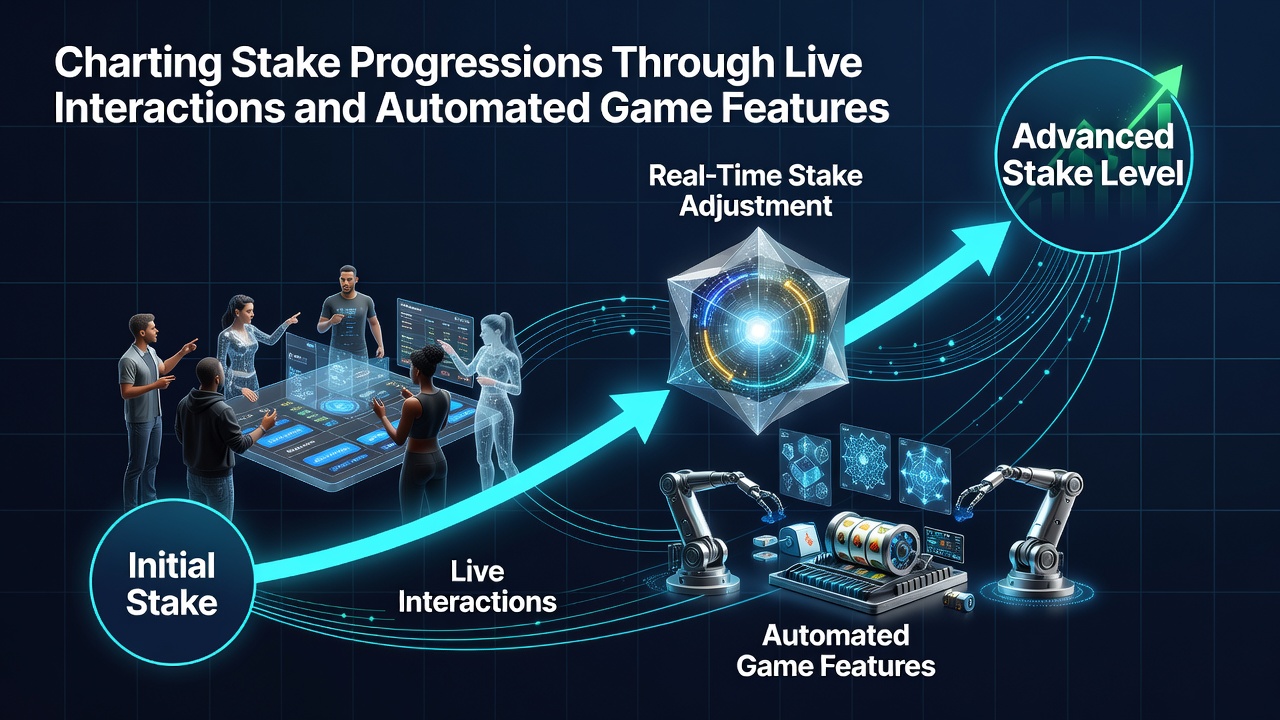
Decoding Stake Progressions in Live and Automated Casino Play
Players track stake progressions by monitoring how wagers shift during live dealer sessions where real-time decisions influence bet sizing, while automated game features adjust stakes through programmed triggers such as multipliers or bonus rounds. Data from regulatory reports show these patterns emerge across multiple game types because live interactions allow immediate responses to table dynamics whereas automated systems rely on algorithms that activate based on predefined sequences.
Live Dealer Sessions Shape Real-Time Adjustments
Live dealer environments present opportunities for stake changes because players observe card distributions and dealer actions directly then adjust bets accordingly in subsequent rounds. Research conducted by the Nevada Gaming Control Board indicates that participants in blackjack and roulette often increase stakes after wins whereas they decrease them following losses to manage exposure across extended sessions. Observers note that these adjustments occur within seconds of each outcome since the interactive format demands quick calculations based on visible results and table momentum.
Table limits further guide progression decisions because operators set minimum and maximum thresholds that constrain how far stakes can escalate or contract during a single sitting. Those who study player behavior across regions report that European regulators such as the Malta Gaming Authority document similar patterns where live participants use progressive betting systems like Martingale variants yet adapt them when reaching upper limits imposed by the venue.
Automated Features Drive Algorithmic Stake Shifts
Automated games incorporate features that alter stakes without direct player input at every step because random number generators and bonus mechanics trigger changes automatically once certain conditions appear on the reels or virtual table. Studies from the Ontario Lottery and Gaming Corporation reveal that free spin rounds and multiplier activations frequently multiply base bets by factors ranging from two to ten times depending on the specific title configuration.
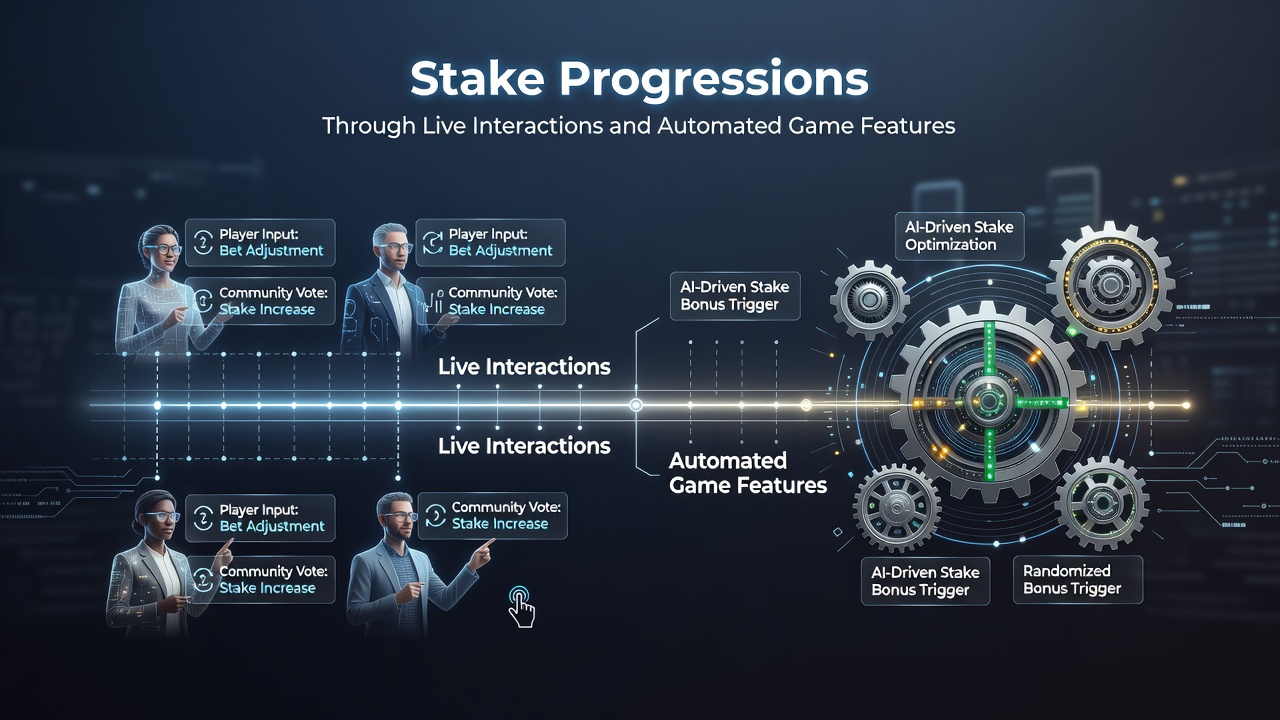
These programmed elements create progression paths that differ from live play because the system determines escalation points rather than allowing continuous manual input. Reports compiled by industry research groups show that players monitoring automated sequences often log initial stakes then record how each triggered feature modifies the effective wager amount across multiple spins or rounds.
Combining Both Approaches for Comprehensive Tracking
Hybrid strategies emerge when participants move between live tables and automated terminals within the same session because data from each environment informs adjustments in the other. Figures released by Australian state gaming authorities demonstrate that cross-format tracking helps identify consistent patterns such as stake increases after specific win streaks regardless of whether the game runs through live interaction or algorithmic automation.
Software tools now assist with logging these transitions because many platforms record bet history automatically and export it for later analysis. Experts at academic institutions studying gambling mechanics have observed that such records allow comparison of progression rates between formats and highlight how live decisions tend to vary more widely than those governed by fixed feature triggers.
Regulatory Context Around October 2026
Updates scheduled for October 2026 in several jurisdictions will require clearer disclosure of how automated features calculate stake modifications because regulators aim to enhance transparency around algorithmic impacts on player wagers. The Nevada Gaming Control Board has outlined plans to standardize reporting on multiplier frequencies and progression triggers while similar requirements appear in other regions that license both live and automated offerings.
These changes build on existing frameworks that already mandate detailed logs of bet variations so operators can demonstrate compliance with fairness standards. Data indicates that improved documentation will support more accurate charting of stake progressions across both live interactions and automated sequences.
Conclusion
Stake progression charting relies on distinct mechanisms in live versus automated settings because one depends on human observation and immediate response while the other follows coded sequences and random triggers. Evidence from multiple regulatory bodies shows that players who document outcomes across both formats gain clearer insight into how wagers evolve during extended play periods. Continued advancements in tracking tools and disclosure rules scheduled around October 2026 will likely refine these analytical approaches further.